How to Make a Family Emergency Plan
When moments matter, a family emergency plan guides action steps and minimizes stress. It could also save a life. Take time now to implement a plan to prevent tragedy and other unforeseen circumstances in the future.
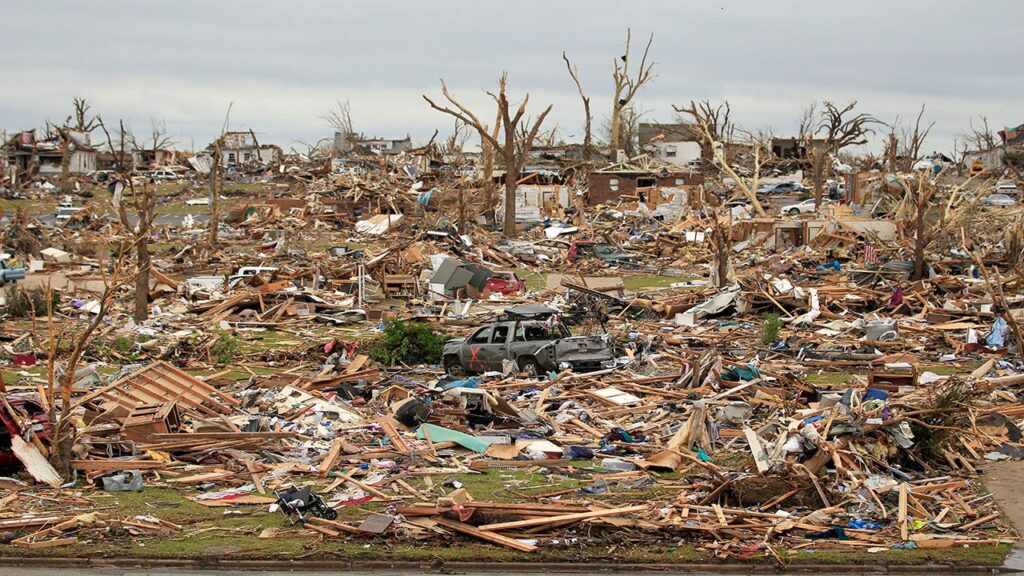
In 2022, our small community here in Wisconsin was struck by a tornado. Thankfully everyone survived and only a few homes and buildings had damage. But we did lose power for four days.
While the tornado itself scared Luke and I, we were even more concerned by our lack of preparedness. We were without power for four days. We survived the outage and vowed never to be caught off guard again.
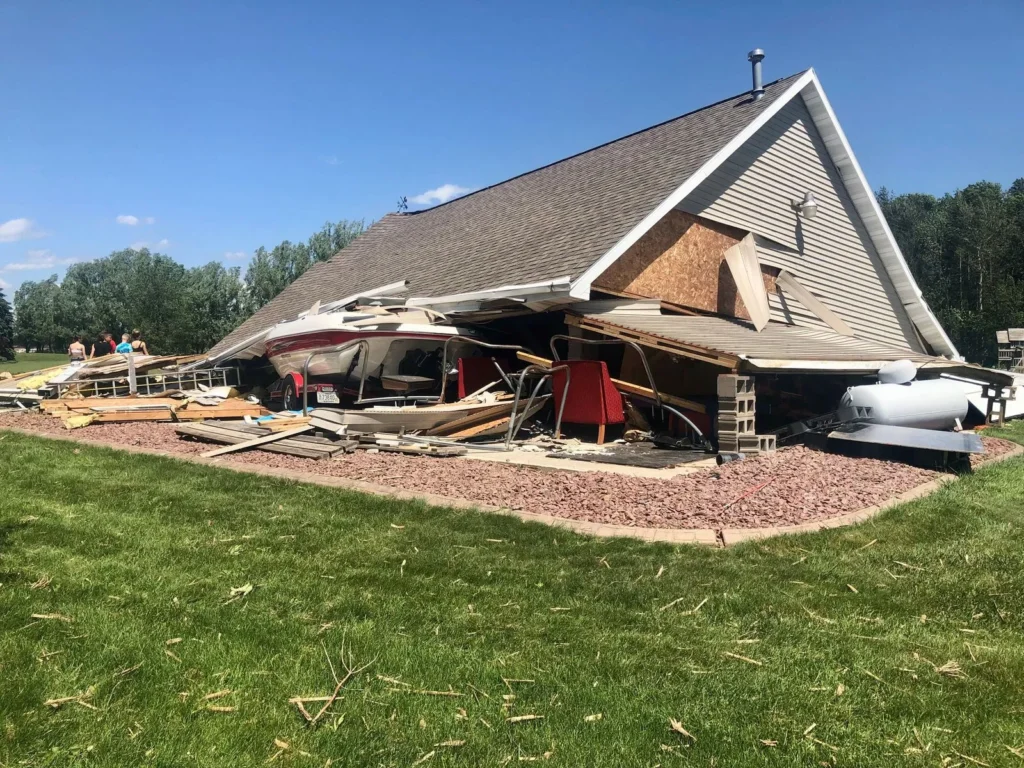
Tornado damage from Wisconsin in 2022
I’m here to encourage readers to take the time to properly prepare your household in the event a disaster strikes. The thought of a disaster can stir fearful emotions inside of us. But taking action now, can mitigate tragedy later. Arm yourself and loved ones with confidence during an emergency. It could save their lives!
Create a Family Emergency Plan
Disasters come in many forms from tornadoes to earthquakes to a single home fire. Design your family plan around natural disasters common to your area.
While this post focuses on natural disasters, I’ll address house fires and man made emergencies in a separate post.
The following recommendations are inspired by ready.gov, a website from FEMA (Federal Emergency Management Agency). Please set aside any thoughts on FEMA’s boots-on-the-ground efforts and really take a look at all the documents provided. They’re very detail-orientated for emergency planning.
Start With a Communication Plan
Write a document or fill out the form provided here by ready.gov. When disaster strikes, you might not be with your family. Print out and email all family members this document to keep in case of emergency.
Include the following information:
- Home address and home phone number if applicable
- Name, cell phone number, alternative phone number, social media handles (optional), email address and important medical information for each family member
- List all information for each school, childcare and workplace facility and caregiver location
- Name of facility, address, phone number, website, and emergency or pick-up plan
- Emergency contacts
- Names, phone numbers, email addresses and home addresses for all contacts
- Emergency meeting places (location and address)
- Medical information for all family members
- Doctor’s name and phone numbers, allergy information and prescriptions, insurance name and policy number
- Name of veterinarian and phone number for pets
- Include any other valuable information for your family
Choose a Safe Location
Once you write a communication plan, the next item to decide on is two safe locations for emergencies. This includes an emergency meeting place outside the home and a shelter location inside your home.
Emergency Meeting Place
In case meeting all family members at home is not an option, you’ll need an alternative meeting place.
- Choose a safe, familiar place in your neighborhood. It could be a nearby park or a trusted neighbor’s driveway. Anywhere all family members feel safe and is familiar.
- A location in the closest nearby town. Easy for those who live in town, but if you don’t, choose a location wisely. Road closures during some emergencies are possible. Choose a location that everyone can easily access during an emergency. Libraries, coffee shops and school parking lots are good options.
- A location several miles away. This is especially true for those escaping a hurricane or even a threat of a volcanic eruption. It could be the home of your out-of-town emergency contact or a Starbucks location off the highway in a town of your choice.
No matter the location, make sure all family members feel safe being alone until everyone is present. Practice driving to each location to make sure everyone knows how to get there. Above all, be safe!
Shelter Inside Your Home
Evacuation may be the only way to stay safe during certain emergencies. Wildfires and hurricane’s are two strong examples. However, if you can shelter at home, here are safe option’s to choose from. Please refer to this guide from FEMA.
- In a 1-2 story home or an apartment complex, go to the basement or lowest level.
- In the basement of a home, choose a location that is not under any heavy appliances or furniture on the floors above.
- Choose the smallest interior room that is preferably windowless.
- In a mobile home, seek shelter elsewhere.
- A mobile home is not safe during a tornado or hurricane. Go to a neighbor’s home or seek out another sturdy building in your area.
- Go to a safe room or storm shelter.
- These are rooms built in the interior of a home or as a separately constructed room outside a home.
- These rooms need to meet FEMA’s building code standards to be considered safe. In some situations, especially for public buildings, there’s federal funding for safe rooms or shelter’s.
- For more information on FEMA’s building guidelines for safe rooms and storm shelters, refer to the following document.
Build a Supply Kit for Your Family Emergency Plan
Think of all the basic items everyone in your family might need while in the shelter. Tailor your kit to the common disasters in your area. Keep in mind how many days you’ll possibly be in your shelter. Include necessary items for pets, anyone with disabilities and those with special medical needs.
Here are a few ideas to get you started. For more details, please refer to this list by ready.gov.
- Enough food and water to last the duration while in the shelter. One gallon of water per person per day is recommended.
- paper plates and disposable cups and utensils
- books and activities for kids
- flashlight and batteries
- cell phone and chargers with battery backup
- sturdy shoes for all family members
- work gloves
- bike helmets for everyone
- referee whistle
- food and dishes for pets
- harness and leash for pets
- medications
- first aid kit
- emergency candles
- herbs and healing salve
- NOAA weather radio with tone alert (also be sure to sign up for weather alerts and warnings via text message)
- dust mask (to filter contaminated air)
- manual can opener
- wrench and pliers (to turn off utilities)
- soap and hand sanitizer
- sleeping bags and blankets for each person (extra if you’re in a cold weather area)
- matches in waterproof container
- feminine hygiene products
- cash and change
- change of clothes appropriate for your weather climate
- copy of family emergency communication plan
- list of local emergency numbers to call if there’s cell phone service
- copy of vital documents
Some of these items seem strange to include, but let’s address them.
Bike helmets can protect from falling debris both during and after a disaster. Shoes seem obvious, but oftentimes during the summer or in a warm weather climate, people go barefoot or wear flip flops. You’ll want something sturdier on your feet in the aftermath. A referee’s whistle better signals to other residents and emergency officials that you are alive and need help versus shouting.
***Remember to make your supply kit for home AND on the go. You’ll need a supply kit to carry in a backpack for an on-foot evacuation and another for all your vehicles.***
Buy a Generator
Another recommended item not on the list is a generator. If your home is not damaged, but power is out for any length of time, you’ll want a generator. They come in different sizes, but the most basic run a fridge and freezer and heating or cooling systems in your home. Power can go out in summer and winter so prepare for both if you live in those regions.
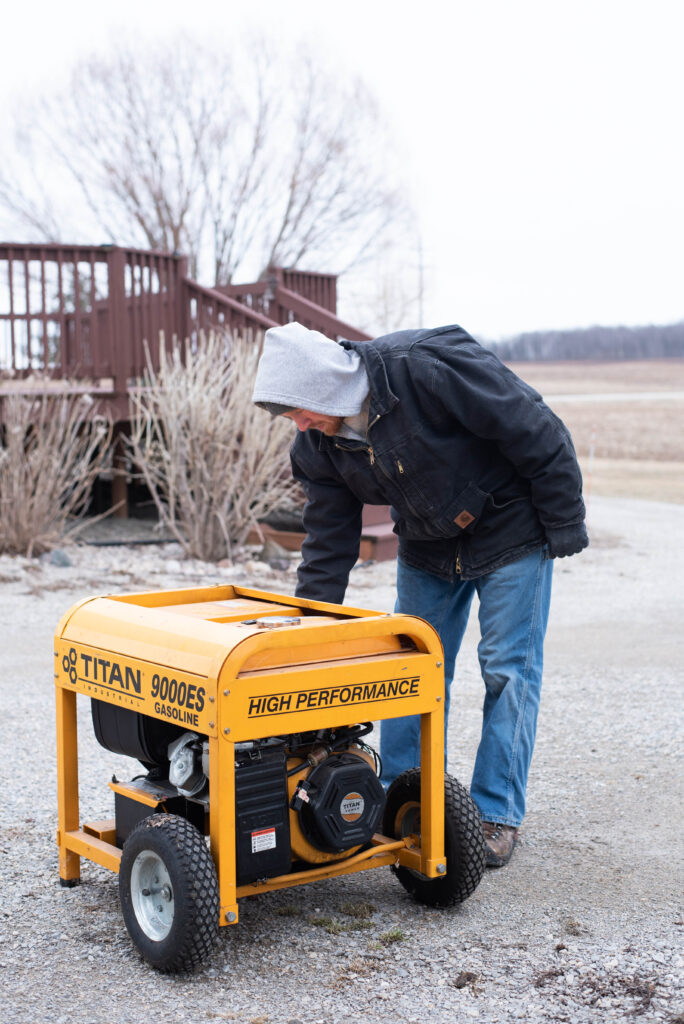
It’s important to maintain your generator so that it works when you need it. Be sure to do regular oil changes and test it once a month and keep it full with gasoline. Also, keep extra gallons of gas on hand in case of emergency. If the power is out at your home, it’s likely out at the nearest gas stations. For the same reason, keep your vehicles no less than half full at all times.
Herbs and Healing Salves
It might seem strange to include these two items in your emergency supply kit, but they’ll be helpful if you need them. First, if the disaster is big enough, medical attention may not happen for several hours to days afterwards. You’ll be thankful nature’s healing touch is in your first aid kit.
Second, the ramifications of a natural disaster could completely uproot the life you had and force your family to start a new life somewhere else. Your stress won’t quickly disappear and some herbal therapy could get you through difficult times.
The following herbs are just a few of many suggestions. Remember to include only a few basic herbs to keep the supply kit simple and lightweight.

Lavender and Chamomile – both are excellent for calming anxiety and soothing for wounds and other inflammatory injuries.
Feverfew – it’s nature’s Ibuprofen. In other words, it’s anti-inflammatory for headaches and muscle aches and the obvious…fevers!
Mullein – great for respiratory health. If medical attention isn’t possible, mullein is perfect for colds and soothing lung infections such as bronchitis.
Healing Oil or Salve – I make a healing oil infused with dried yarrow, marshmallow, lavender, calendula and chamomile. I use organic olive oil. If you make a similar infusion, you can put the oil in your supply kit, or make a salve with it. It’s good for soothing cuts, scrapes and stings.
Purchase empty tea bags online to keep with your herbs. If you’re at a nearby emergency shelter, there will be water to use.
Prepare Your Vital Documents
Honestly, this one never occurred to me until suggested on a podcast I listen to. Are your vital documents prepared in case of an emergency?
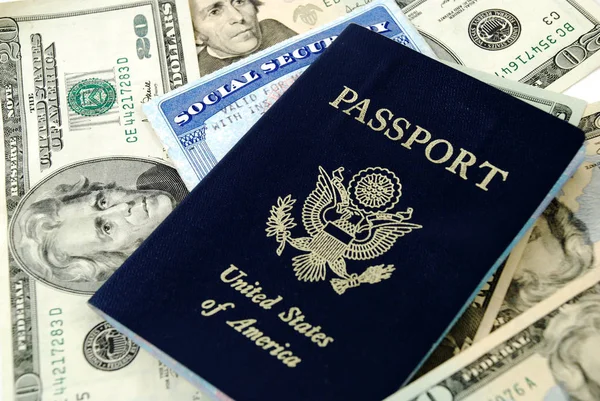
Vital documents typically include the following:
- Social security cards, driver’s license, passport, green cards, military ID, emergency personnel ID
- birth certificates
- death certificates
- marriage or divorce certificates
- adoption and child custody papers
- deed to home and other properties or land owned
- vehicle ownership papers
- insurance documents for home, vehicles, business, medical, dental etc.
- power of attorney paperwork and your will
- tax statements and bank statements
- pay stubs and any other paperwork proving all income
For a more comprehensive list of ideas, please read this document here from ready.gov.
How you choose to store the originals of these documents is up to you. A safe deposit box at a local bank is one idea. Be sure to place another trusted individual as a signer on your safe deposit box account. That way someone else has a legal right to access it if you pass away or are incapacitated. A fire and waterproof safe is another good location.
Make copies of these records and laminate appropriate documents. Keep all documents in your emergency kit in the event a disaster happens. Electronic copies are another option. Store files on a password protected flash or external hard drive.
If you do lose any of these vital documents in a disaster, visit this website from FEMA on how they can be replaced.
There are many more topics to consider when it comes to emergency preparedness. I encourage readers to visit the following links for more helpful ideas.
Emergency Financial First Aid Kit
Consumer Financial Protection Bureau Disaster Checklist
Know Common Disasters in Your Area
The previous ideas are for general emergency preparedness. The topic though is a vast one.
We all might want to at least be aware of disasters throughout the country. Your family might relocate due to jobs or you could be on vacation somewhere when an emergency happens.
Below is a list from ready.gov on officially identified disasters. Visit the website for more information on each emergency.
- Attacks in public
- Avalanche
- Biohazard Exposure
- Cybersecurity
- Drought
- Earthquakes
- Explosions
- Extreme Heat
- Floods
- Chemical and Hazardous Materials Incidents
- Home Fires
- Home Safety
- Household Chemical Emergencies
- Hurricanes
- Landslide and Debris Flow
- Radiation Emergencies
- Pandemic
- Power Outages
- Severe Weather
- Space Weather
- Thunderstorm and Lighting
- Tornadoes
- Tsunamis
- Volcanoes
- Wildfires
- Winter Weather
The Aftermath | Enact Your Family Emergency Plan
After a disaster, there are many things to consider. The aftermath is complex from the initial moments afterwards to the final moments of getting your life back in order. I won’t tackle the whole subject here, but I’ll leave you with a few thoughts to think about.
Once the danger of the disaster passes, safety is the first priority. Your home will be very unstable if the damage is severe enough. The same goes for your entire neighborhood. Be aware of badly damaged walls, steps, general debris, downed trees and dangerous objects precariously hovering above.
Also, beware of downed electrical lines and damaged gas lines. Notify nearby residents and emergency personnel if you smell a gas leak and steer clear of it.
Next, enact your emergency communication plan and notify your contacts to let them know you’re okay. Contact all family members if you weren’t together during the disaster.
Head to a local shelter once it’s safe to do so. There you’ll find food and a place to rest as well as people willing to guide your next steps. Or stay with friends or relatives not affected by the disaster.
From here disaster recovery depends on the severity of the situation. Perhaps the tornado only took out the power and you’ll need to use your generator for a few days. Or it may be that your home is completely lost. Refer to the following disaster recovery pages from ready.gov for guidance.
If you have anymore ideas and suggestions for emergency preparedness, leave a comment below!
Becky
I’m a wife and homemaker inspiring old-fashioned skills always with a cup of coffee in hand. Homemaking. Gardening. Food. DIY.
Never Miss a Post