The Best Pasta Sauce for Canning with Fresh Garden Herbs
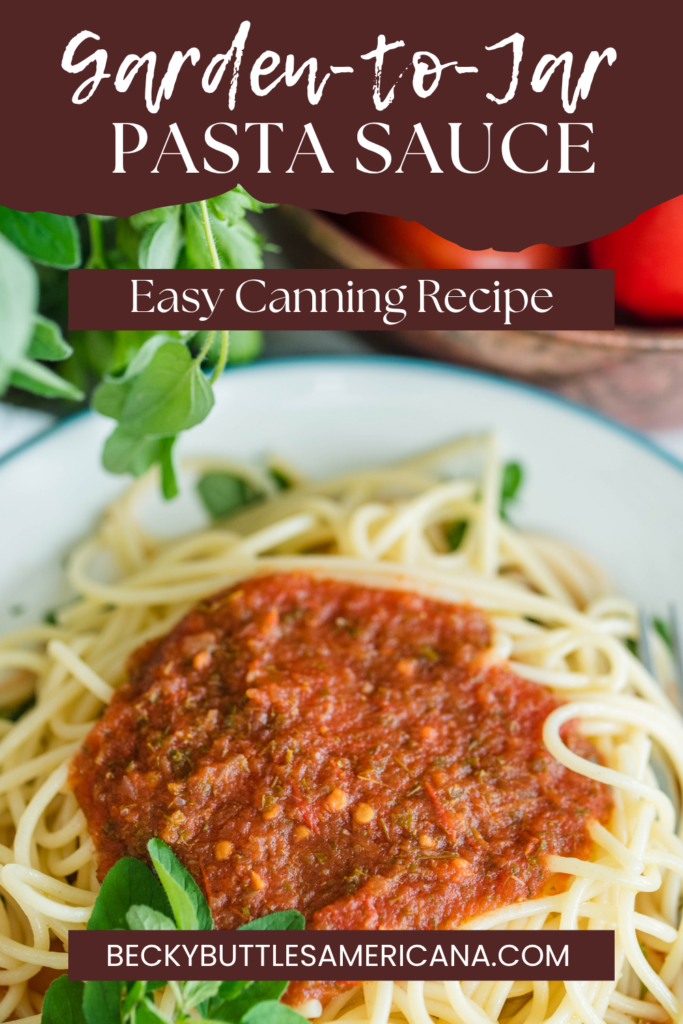
Homemade pasta sauce for canning is vibrant, savory and full of garden fresh flavor. Sun-ripened tomatoes and homegrown herbs slow-simmer together for a thick rustic sauce perfect for your next Italian-inspired meal. The taste of summer never ends with jars of this hearty herbal sauce.
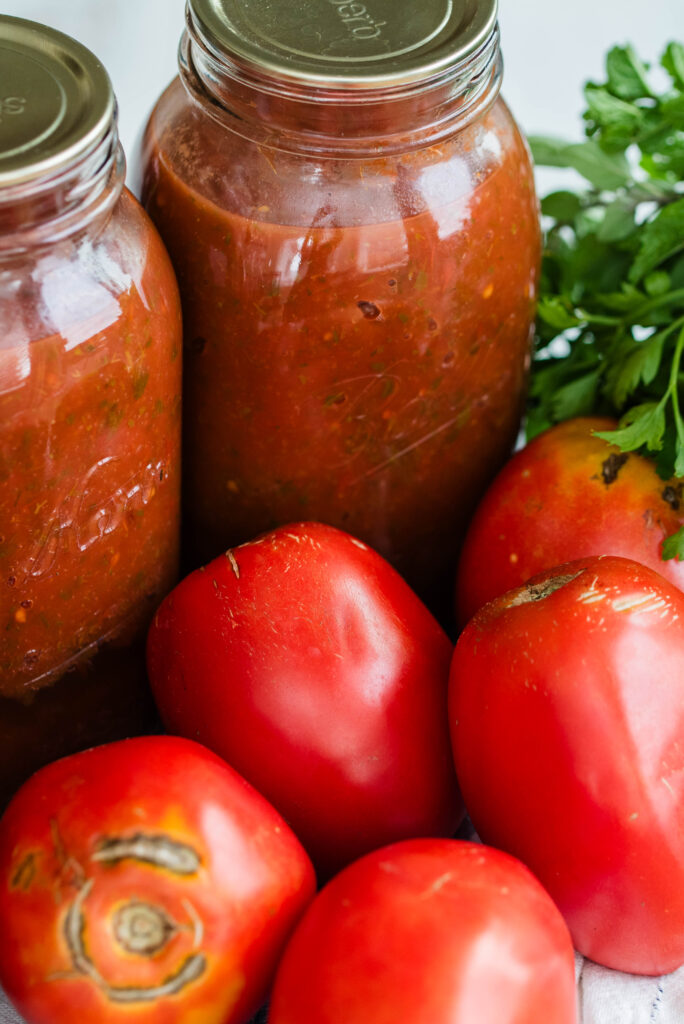
Tomatoes are an essential plant in my garden every summer. I smile as I walk through every night before sundown seeing the vines sprawl and the big juicy tomatoes ripening red.
I love inhaling their fresh scent and the thought of canning them into pantry staple items like homemade salsa and pizza sauce. Even better, I also grow the onions and the fresh herbs to accompany them inside these delicious home canned recipes.
When these ingredients fully sun-ripen, I chop them up and toss them in my big copper pot. They slowly bubble away on my stovetop, gently blending their flavors into a charming rustic sauce.
As it cooks, the savory herbal scent drifts through my kitchen, inspiring thoughts of warm wintertime meals made with love and intention. I confidently serve homemade dishes like spaghetti to family and friends, knowing the sauce is made with homegrown produce and no chemicals and preservatives.
My hope is that you and your family consider this pasta sauce recipe for your bountiful tomato harvest this fall. When you twist open a jar of this thick savory sauce in the dead of winter, I hope you love it’s summertime flavor as much as we do!
Why You’ll Love This Pasta Sauce for Canning
Amazing garden fresh flavor – You can’t beat the unmistakeable flavor of homegrown tomatoes. Add in garden fresh onions and the depth of homegrown Italian herbs like basil and oregano to make a beautifully rich pasta sauce for canning. You certainly won’t find this vibrant summertime flavor on a grocery store shelf!
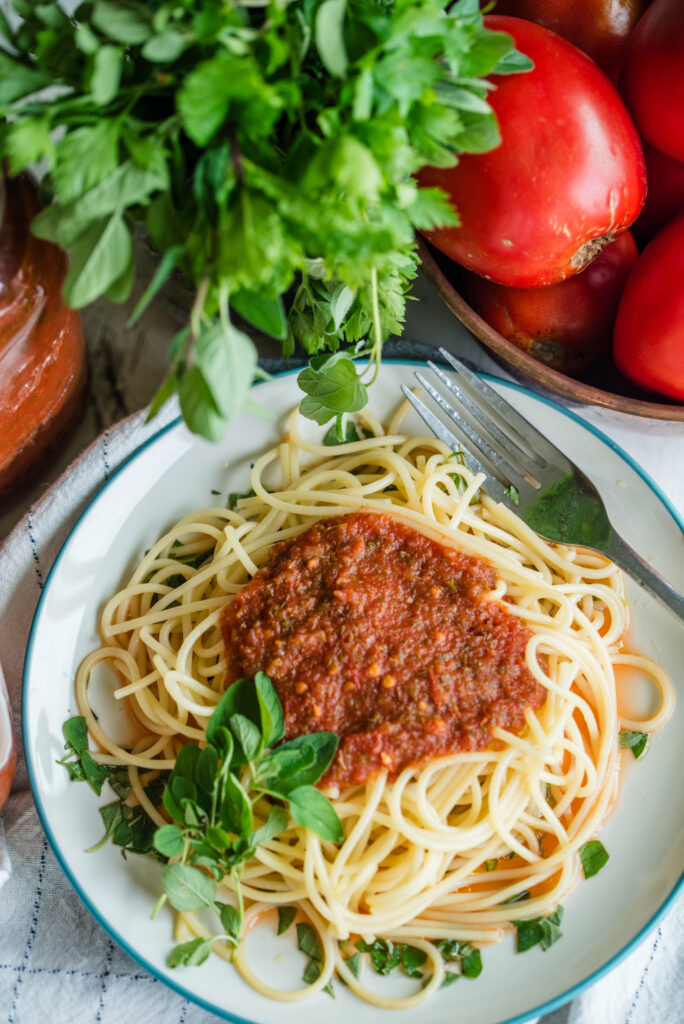
Hearty and healthy – This decadent pasta sauce recipe is loaded with lots of fiber and antioxidants making it a nutritional powerhouse. Tomatoes and onions provide the fiber, while the herbs infuse the sauce with intense flavor. The essential oils inside the herbs like oregano contain medicinal properties. Oregano supports immune health while mint aids digestion.
This recipe is also low-sugar compared to store bought varieties. The flavor pops through instead of an overwhelming sweetness, keeping blood sugar low and steady.
Versatile – This recipe allows for lots of flexibility when it comes to ingredients. Feel free to leave out any of the herbs you don’t have on hand or don’t care for. Use fresh or dried herbs or substitute fresh garlic for the garlic powder. My sauce is a bit more complex than most traditional Italian recipes, so play around and make it your own!
Helpful Tips for the Best Pasta Sauce
How to Choose the Best Tomatoes for Canning
The right variety of tomato makes a huge difference when it comes to canning pasta sauce. While any variety you have on hand can be used, some are more optimal than others.
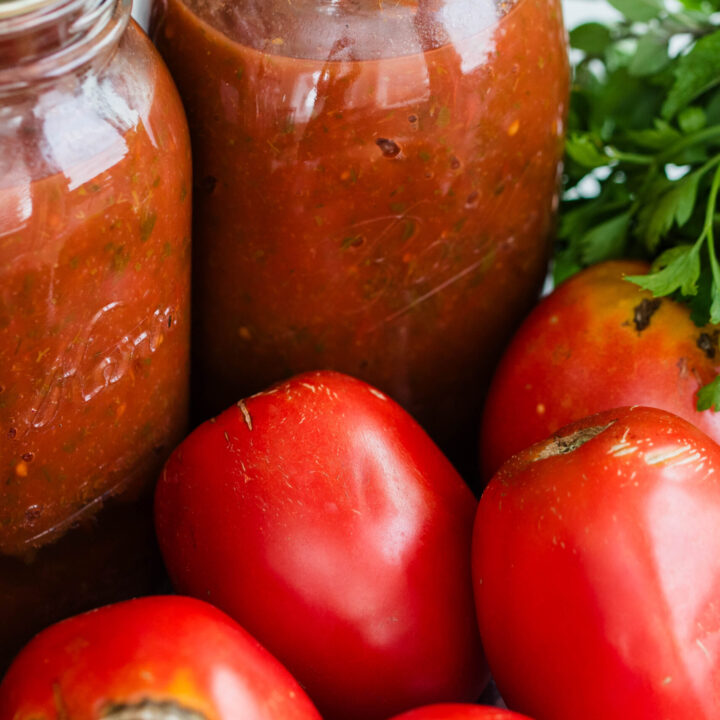
A paste variety of tomato works best for making pasta sauce for canning because they are thick and dense without a watery makeup. The more watery the tomato, the longer it takes to cook the sauce to the right “saucy” consistency.
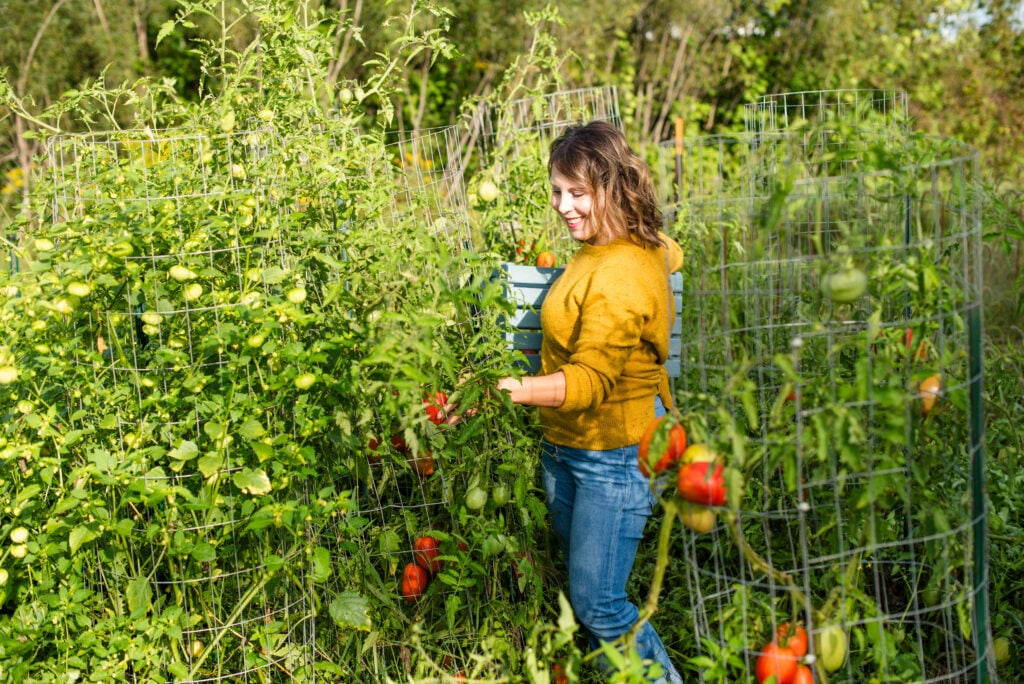
San Marzano, Amish Paste and Roma’s are all popular varieties to grow for excellent flavor and a rich texture. I personally grow the Amish Paste variety with a lot of success here in Wisconsin gardening zone 5a. Some of them grow up to three pounds each and the yield per plant is high. You won’t be disappointed!
There are so many varieties out there to grow, you simply need to find one that works for your gardening zone. Some varieties like the Wisconsin 55 are meant for our cooler climate, while others are meant for warmer, southern climates.
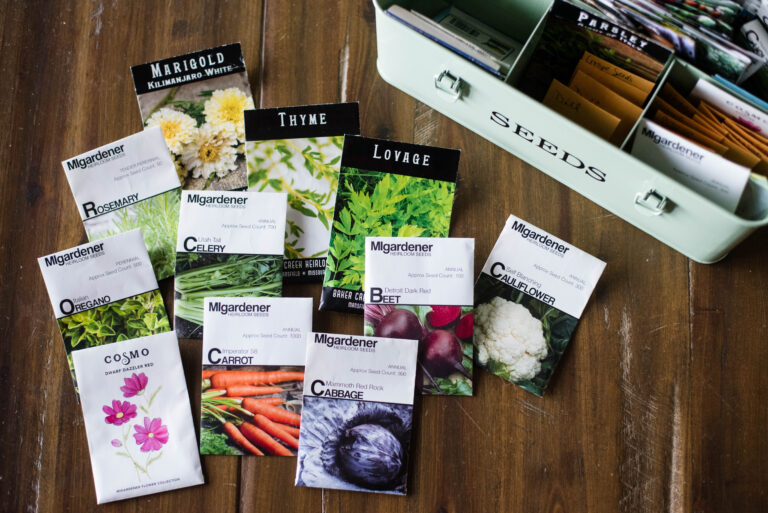
Even better, once you find a tomato variety you like, save the seeds every year and you’ll never have to purchase them again. Seed saving is self-sufficiency and frugality at it’s finest.
How to Create a Thick Pasta Sauce
- Besides using a paste tomato variety, the overall texture is important. Once the ingredients soften enough, puree them inside the pot using an immersion blender. Or use a regular blender before or after cooking them. Either method provides thick consistency.
- Sugar is necessary for a traditional “saucy” sauce for canning. It doesn’t take much, but sugar caramelizes the ingredients together to make the traditional texture we all know and love. Without it, the sauce retains a clumpy, watery texture. A 1/3 of a cup of organic sugar or honey is all you need for a large batch. Per serving, that doesn’t amount to much.
- Fresh herbs provide the best flavor and hardly cost a thing compared to store-bought jars of dried. I started growing my own herbs for this sauce as a cost savings move and the savory burst of flavors is just a lovely bonus. Some herbs like mint and oregano are perennials so the one time investment doesn’t cost much. I’m all about filling your pantry shelves for barely a dime!
- This is the same recipe I use for my pizza sauce. Use patience and cook it down to a thick paste-like consistency. Can it in quarter pint-sized jars for the perfect amount for a single pizza.
Safety Tips for Properly Canning Tomatoes
- Acidity is super important when it comes to water bath canning. Let the tomatoes vine-ripen in the sun until they are soft and a deep vibrant red color. That indicates the correct ripeness for safe canning. Under ripe tomatoes are not acidic enough for safe canning.
- If you do use under ripe tomatoes, you’ll need to add 5% vinegar or store-bought lemon juice (with 5% acidity) in addition to the salt. Use a 1/2 tablespoon for a pint size or one tablespoon for a quart jar.
- Olive oil is often added as a delicious ingredient to traditional Italian pasta sauce. However, it needs to be added when making meals, not while canning. It lowers the acidity, making the sauce unsafe for canning.
- It might be controversial, but I do not remove the skins or seeds when I make pasta sauce for canning. It doesn’t affect the acidity level and we don’t mind a slightly chunkier texture. Feel free to take the extra steps, but I’m a one woman show in my kitchen and I don’t have the time. Your sauce will still taste amazing!
Ingredients You’ll Need
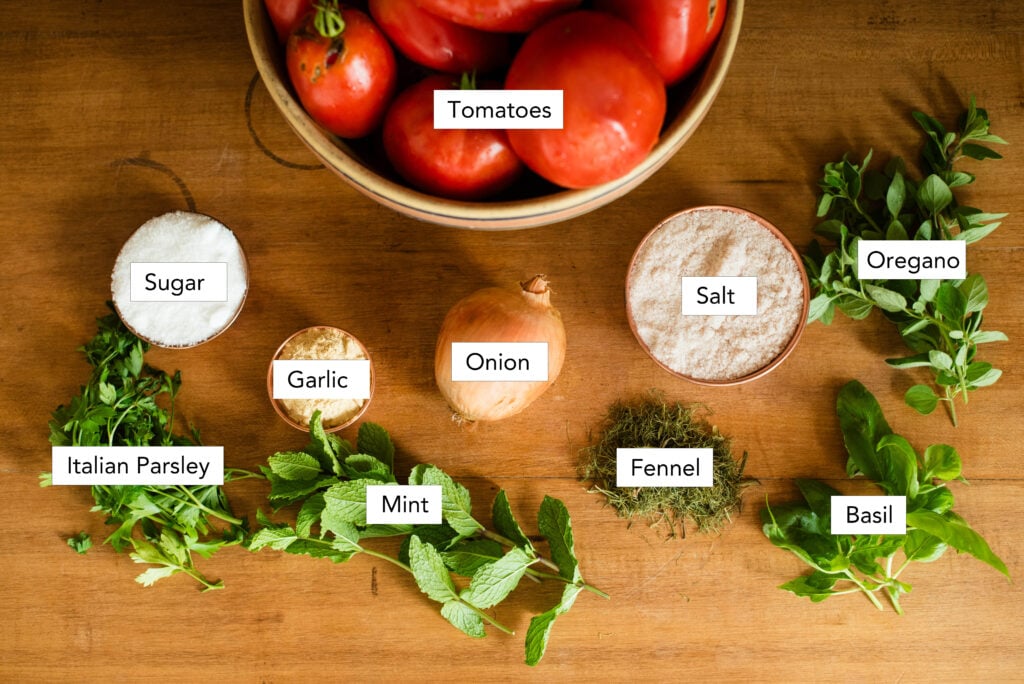
Tomatoes – See section above for the best varieties to use.
Herbs – Use fresh basil, fennel, oregano, mint and Italian parsley. If you use dried, use half the amount as fresh. Use all or a combination of this herbal collection.
Sugar – I use organic cane sugar, but honey is another suitable option.
Garlic and salt – Use a high-quality salt like Redmond Real Salt.
Onion – Use one large, two medium-sized or three small-sized onions. Save the skins for broth making.
Equipment Needed for Canning
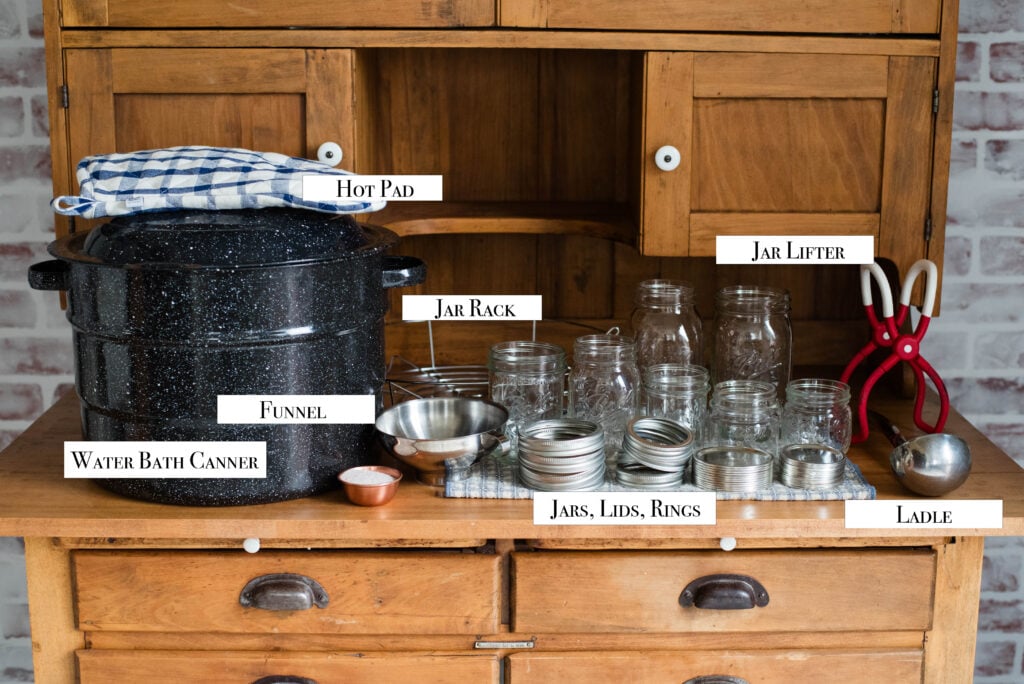
Water bath canner with jar rack – The rack is necessary because jars cannot sit directly on the bottom of the canner or they will break during processing.
Funnel and ladle – The funnel makes ladling faster and cleaner. Jar rims need to be spotless before lids can be screwed down.
Jars, lids and rings – Collect different size jars for canning based on your family’s needs. For example, I use tiny quarter pint sized jars for jam since it’s just Luke and I at home. If you’re single, you might want half or full pint sized jars for pasta sauce. Larger families need quart sizes. Re-use rings, but purchase new lids.
Jar lifter – It’s inexpensive and makes canning so much easier than without.
How to Make Pasta Sauce for Canning
Step-by-Step Instructions
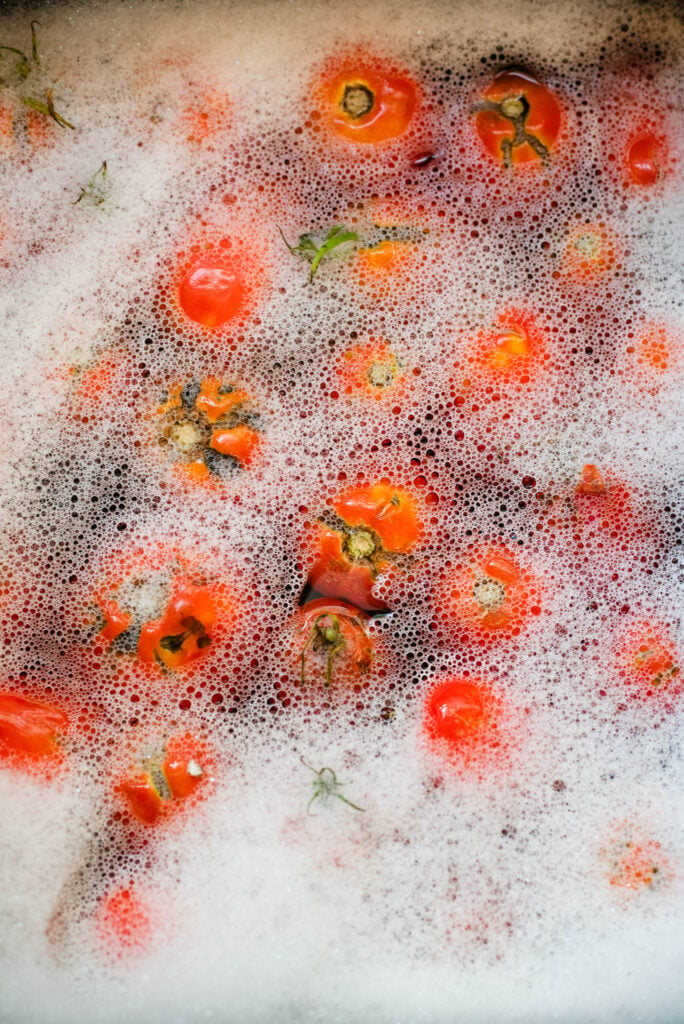
1.) Wash tomatoes in warm soapy water. Use a natural soap like Dr. Bronner’s Sal Suds or Branch Basics. Rinse clean before chopping.
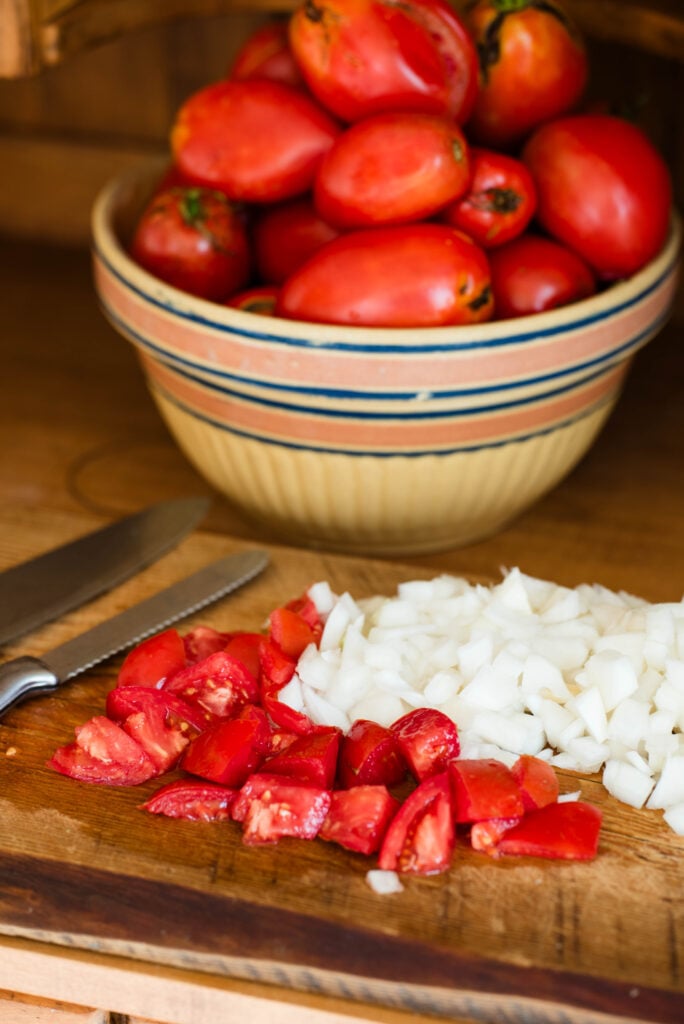
2.) Remove stems and cut away blemishes. Roughly chop the tomatoes and dice the onions and add to the saucepan.
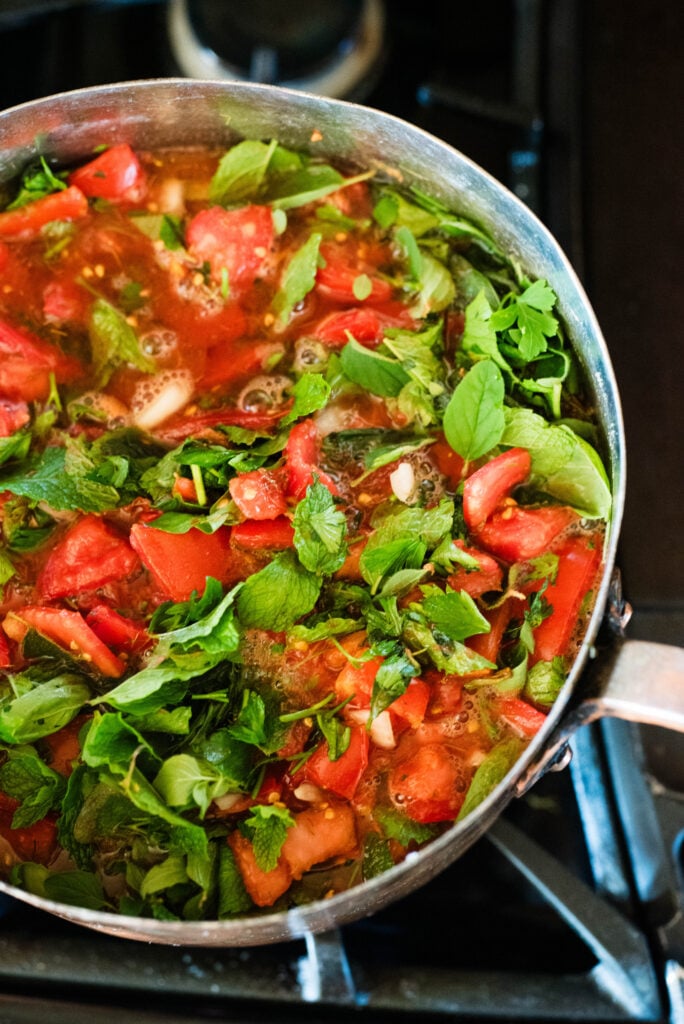
3.) Add remaining ingredients to the saucepan. Stir together and cook on medium to low heat until tomatoes, onions and herbs are soft enough to blend.
Stir occasionally to prevent scorching and burning on the bottom of the pan.
As the sauce cooks, start the water boiling in the water bath canner.
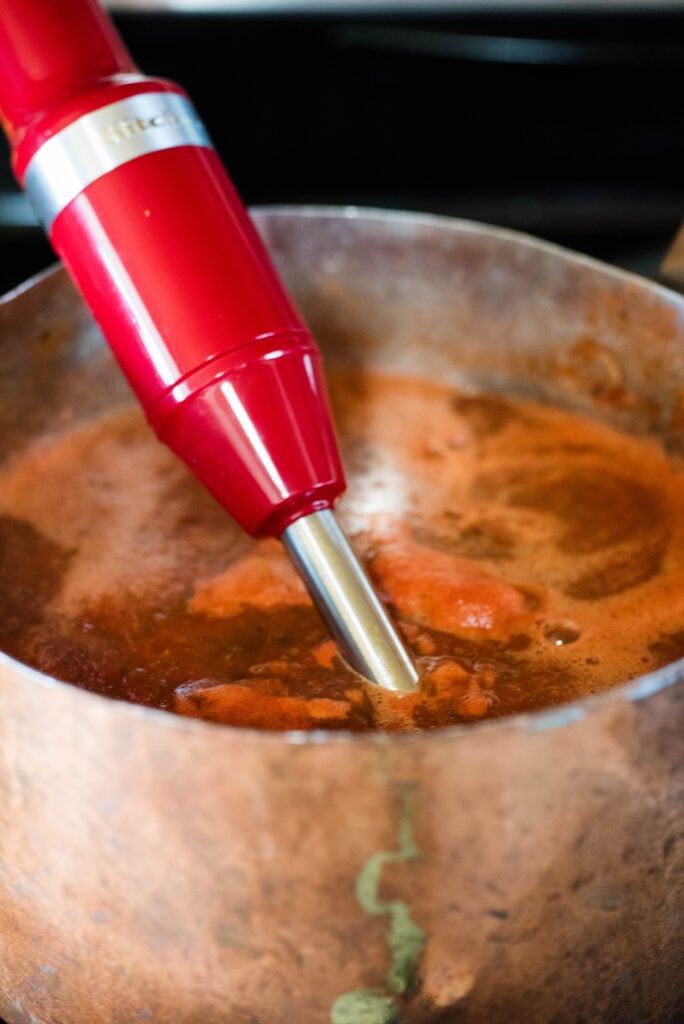
4.) When ingredients soften enough, carefully use an immersion blender to puree into a sauce.
If you don’t have an immersion blender, transfer to a regular blender and return the sauce to the pan.
Simmer until the sauce reaches your desired consistency.
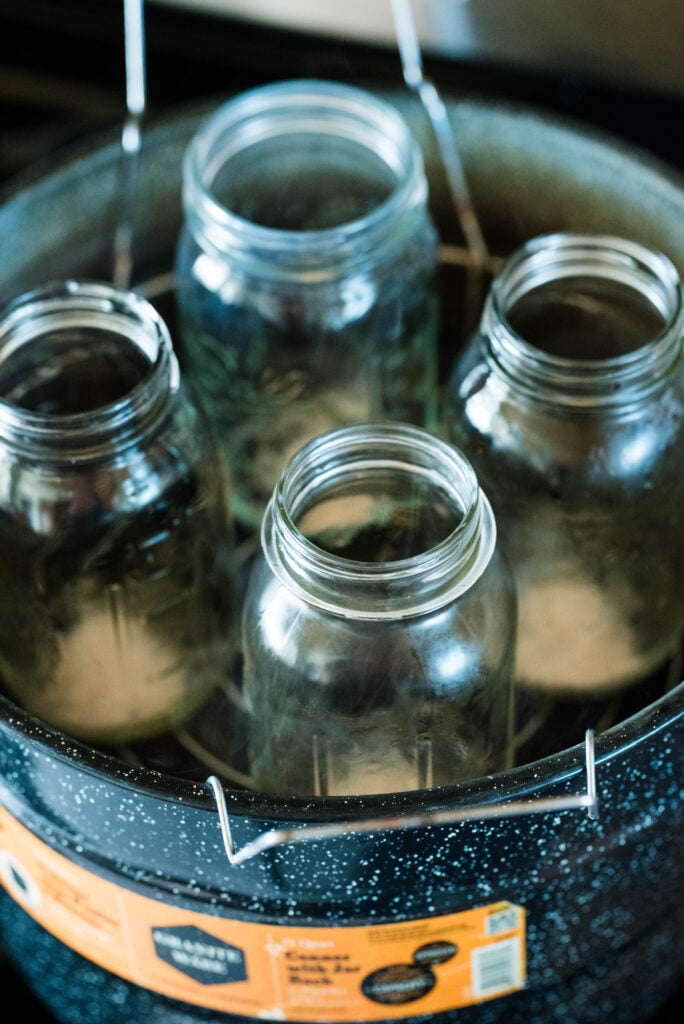
5.) Meanwhile, as the sauce simmers, wash jars, lids and rings. Place jars and lids on the rack inside the canner to sanitize and warm up.
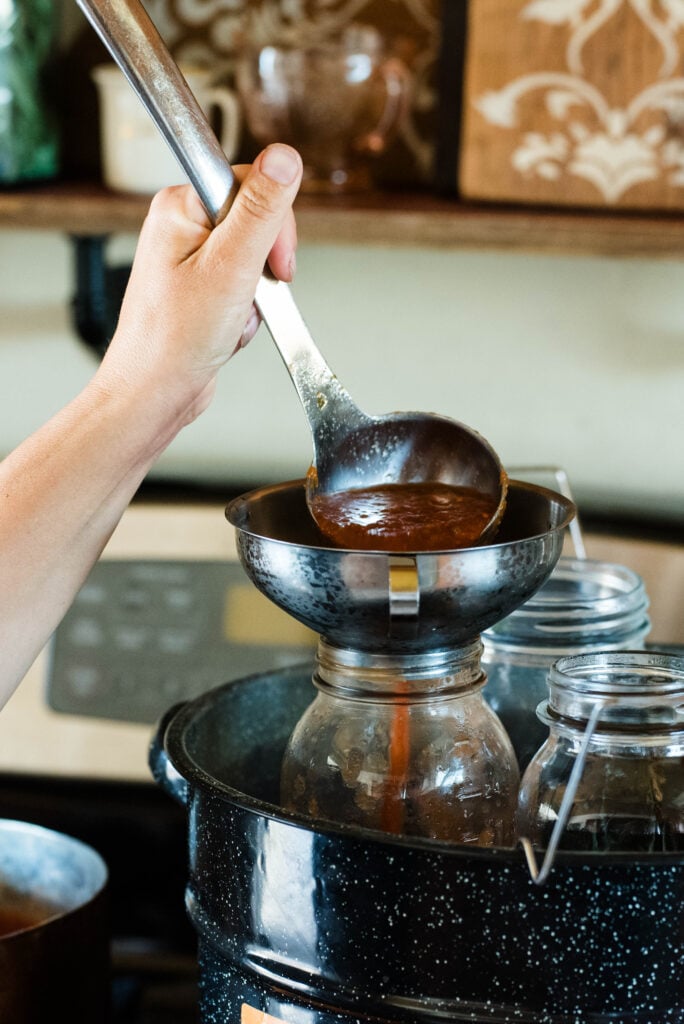
6.) When the sauce is ready, add a teaspoon of salt and a tablespoon of bottled lemon juice to quart jars or a 1/2 teaspoon salt and 1/2 tablespoon lemon juice for pint sized jars.
Ladle the sauce up to the neckline of the jar. Wipe the rims clean.
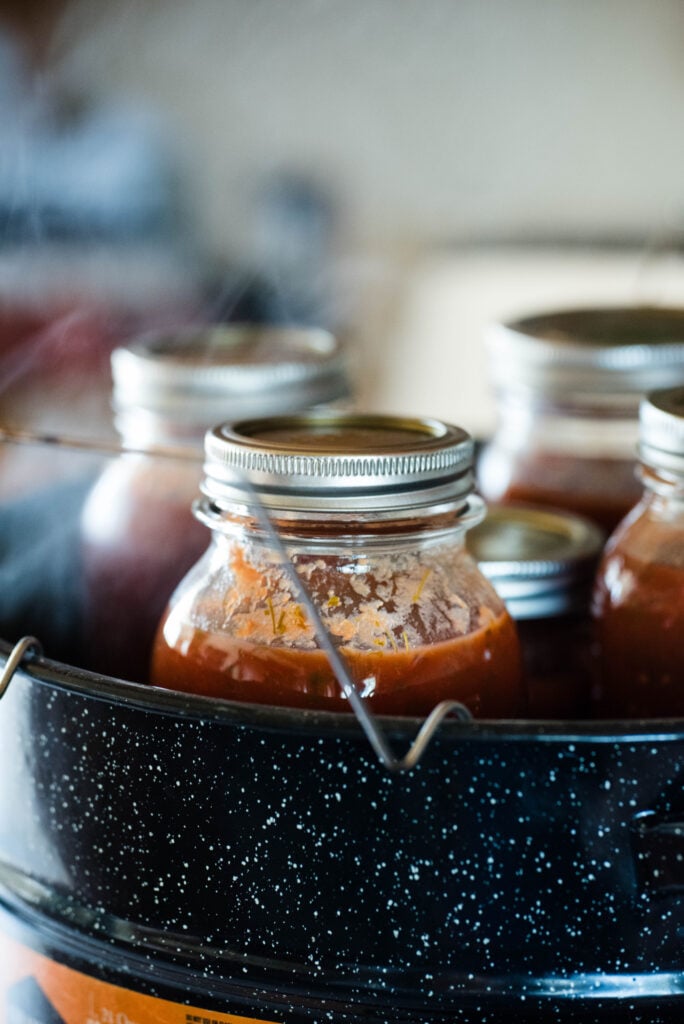
7.) Place the lids on and secure with the rings. Gently screw down only until fingertip tight. Do not over tighten or the lids will not seal.
Lower the rack with the jars all the way down to the bottom of the canner. Bring the water to a full rolling boil.
Start the timer only when the water is at a full rolling boil and remains there.
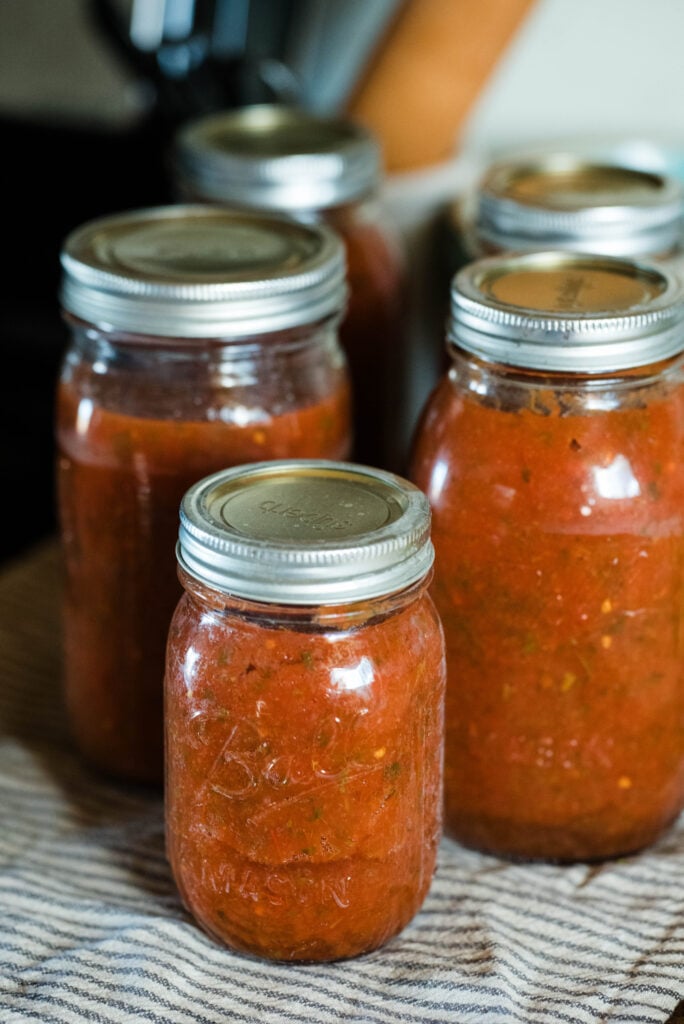
8.) Process pint sized jars for 20 minutes and quart sized jars for 25 minutes.
When they are done, turn the heat off and leave the jars inside the canner. Let them rest for a minimum of one hour.
After that, use the jar lifter and place the jars on a towel. Leave them rest for 24 hours, remove the rings and store in your pantry.
FAQ’s for Homemade Pasta Sauce
Does lemon juice or vinegar need to be added to each jar?
Yes, for safe canning you’ll need to add both salt and 5% vinegar or 5% bottled store-bought lemon juice. Lemon juice is recommended for the best flavor.
Is it okay to add ground meat to my sauce before canning?
No, these instructions are for water bath canning the sauce only. Anything with meat needs to be pressure canned. It’s best to add sauce to cooked meat when you prepare meals.
How long is this sauce good for after canning?
These jars of pasta sauce are good for 12-18 months after canning. Store in a cool dark place.
More Recipes From Becky’s Kitchen
How to Make Homemade Pumpkin Hand Pies with Honey Icing
The Best Homemade Pumpkin Sausage Soup for Fall
Simple and Frugal No Sugar Applesauce Recipe
How to Make Homemade Beet Soup | Quick | Healthy
Homemade Apple Cider Vinegar | Healthy, Simple and Frugal
Thank you for stopping by my blog! If you make this recipe and love it, please come on back and leave it a 5-star review! Tag me with your photos on Instagram @beckybuttlesamericana
Happy Canning! –Becky
The Best Pasta Sauce for Canning
Homemade pasta sauce for canning is vibrant, savory and full of garden fresh flavor. Sun-ripened tomatoes and homegrown herbs slow-simmer together for a thick rustic sauce perfect for your next Italian-inspired meal. The taste of summer never ends with jars of this hearty herbal sauce.
Ingredients
- Approximately 9 lbs. chopped tomatoes
- 1/3 cup sugar or honey
- 1/3 cup dried fennel fronds and bulbs
- 3 teaspoons garlic powder
- 1 1/2 tablespoons salt plus more for the bottom of each jar
- 1/2 cup tightly packed diced fresh Italian parsley
- 3/4 cup tightly packed diced fresh basil
- 1/2 cup tightly packed diced fresh mint
- 1/2 cup tightly packed diced fresh oregano
- Chopped onion - 1 large, 2 medium-sized or 2-3 small-sized onions
- Bottled store-bought lemon juice for bottom of each jar
Instructions
1.) Wash tomatoes in warm soapy water. Use a natural soap like Dr. Bronner's Sal Suds or Branch Basics. Rinse clean before chopping.
2.) Remove stems and cut away blemishes. Roughly chop the tomatoes and dice the onions and add to the saucepan.
3.) Add remaining ingredients to the saucepan. Stir together and cook on medium to low heat until tomatoes, onions and herbs are soft enough to blend. Stir occasionally to prevent scorching and burning on the bottom of the pan.
As the sauce cooks, start the water boiling in the water bath canner.
4.) When ingredients soften enough, carefully use an immersion blender to puree into a sauce. If you don't have an immersion blender, transfer to a regular blender and return the sauce to the pan.
Simmer until the sauce reaches your desired consistency.
5.) Meanwhile, as the sauce simmers, wash jars, lids and rings. Place jars and lids on the rack inside the canner to sanitize and warm up.
6.) When the sauce is ready, add a teaspoon of salt and a tablespoon of bottled lemon juice to quart jars or a 1/2 teaspoon salt and 1/2 tablespoon lemon juice to pint sized jars. Ladle the sauce up to the neckline of the jar. Wipe the rims clean.
7.) Place the lids on and secure with the rings. Gently screw down only until fingertip tight. Do not over tighten or the lids will not seal.
Lower the rack with the jars all the way down to the bottom of the canner. Bring the water to a full rolling boil. Start the timer only when the water is at a full rolling boil and remains there.
8.) Process pint sized jars for 20 minutes and quart sized jars for 25 minutes.
When they are done, turn the heat off and leave the jars inside the canner. Let them rest for a minimum of one hour. After that, use the jar lifter and place the jars on a towel. Leave them rest for 24 hours, remove the rings and store in your pantry.
Notes
How to Choose the Best Tomatoes for Canning
The right variety of tomato makes a huge difference when it comes to canning pasta sauce. While any variety you have on hand can be used, some are more optimal than others.
A paste variety of tomato works best for making pasta sauce for canning because they are thick and dense without a watery makeup. The more watery the tomato, the longer it takes to cook the sauce to the right "saucy" consistency.
San Marzano, Amish Paste and Roma's are all popular varieties to grow for excellent flavor and a rich texture. I personally grow the Amish Paste variety with a lot of success here in Wisconsin gardening zone 5a. Some of them grow up to three pounds each and the yield per plant is high. You won't be disappointed!
There are so many varieties out there to grow, you simply need to find one that works for your gardening zone. Some varieties like the Wisconsin 55 are meant for our cooler climate, while others are meant for warmer, southern climates.
Even better, once you find a tomato variety you like, save the seeds every year and you'll never have to purchase them again. Seed saving is self-sufficiency and frugality at it's finest.
How to Create a Thick Pasta Sauce
1.) Besides using a paste tomato variety, the overall texture is important. Once the ingredients soften enough, puree them inside the pot using an immersion blender. Or use a regular blender before or after cooking them. Either method provides thick consistency.
2.) Sugar is necessary for a traditional "saucy" sauce for canning. It doesn't take much, but sugar caramelizes the ingredients together to make the traditional texture we all know and love. Without it, the sauce retains a clumpy, watery texture. A 1/3 of a cup of organic sugar or honey is all you need for a large batch. Per serving, that doesn't amount to much.
3.) Fresh herbs provide the best flavor and hardly cost a thing compared to store-bought jars of dried. I started growing my own herbs for this sauce as a cost savings move and the savory burst of flavors is just a lovely bonus. Some herbs like mint and oregano are perennials so the one time investment doesn't cost much. I'm all about filling your pantry shelves for barely a dime!
4.) This is the same recipe I use for my pizza sauce. Use patience and cook it down to a thick paste-like consistency. Can it in quarter pint-sized jars for the perfect amount for a single pizza.
Safety Tips for Properly Canning Tomatoes
1.) Acidity is super important when it comes to water bath canning. Let the tomatoes vine-ripen in the sun until they are soft and a deep vibrant red color. That indicates the correct ripeness for safe canning. Under ripe tomatoes are not acidic enough for safe canning.
2.) If you do use under ripe tomatoes, you'll need to add 5% vinegar or store-bought lemon juice (with 5% acidity) in addition to the salt. Use a 1/2 tablespoon for a pint size or one tablespoon for a quart jar.
3.) Olive oil is often added as a delicious ingredient to traditional Italian pasta sauce. However, it needs to be added when making meals, not while canning. It lowers the acidity, making the sauce unsafe for canning.
4.) It might be controversial, but I do not remove the skins or seeds when I make pasta sauce for canning. It doesn't affect the acidity level and we don't mind a slightly chunkier texture. Feel free to take the extra steps, but I'm a one woman show in my kitchen and I don't have the time. Your sauce will still taste amazing!
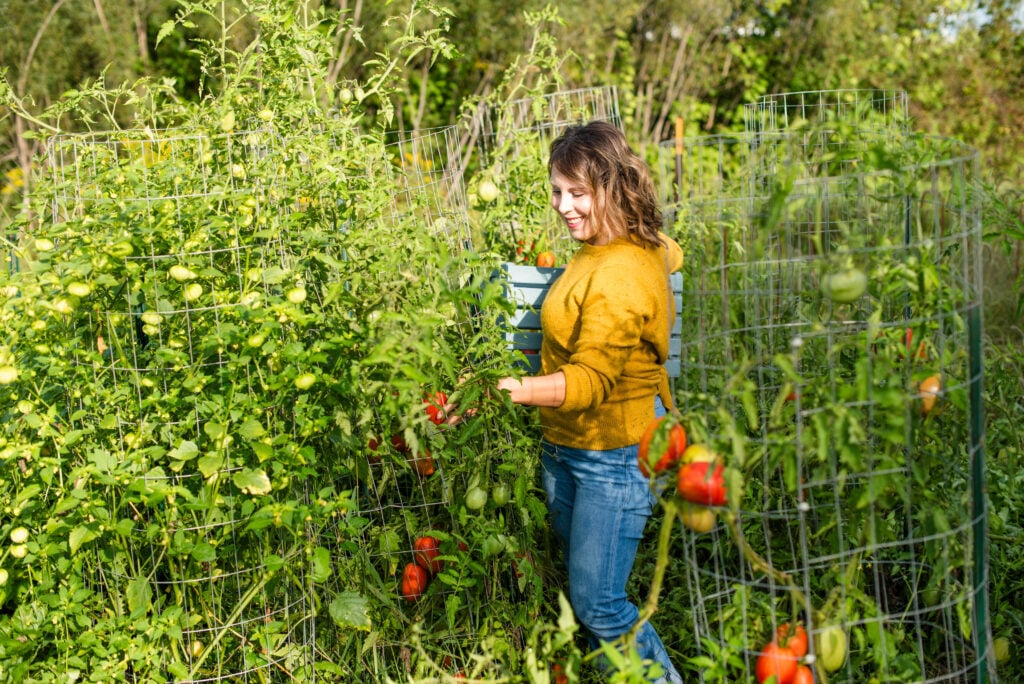
I’m a wife and homemaker inspiring old-fashioned skills for a homemade, self-sufficient lifestyle, always with a warm beverage in hand. Homemade Recipes. Gardening. Preserving. Healthy Living.
Want More Recipes from Becky?
Sign up to receive exclusive recipes only for subscribers! Plus you’ll get the latest blog posts straight to your inbox!